

Can Saffron Improve Sleep Quality?
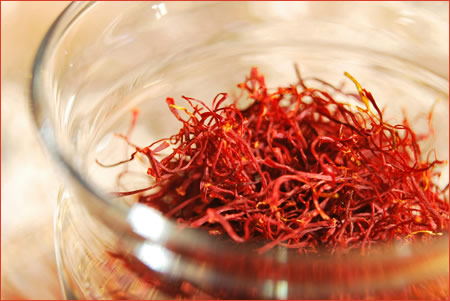
Saffron can support more refreshing sleep for some people - not as a knockout sedative, but by easing sleep quality, how restored you feel in the morning, and in some studies evening melatonin.
The spice from Crocus sativus has been tested in several randomised, placebo-controlled trials, mostly using standardised extracts (often 14-30 mg per day, sometimes taken in the evening). Across those studies, people with self-reported poor sleep or mild-to-moderate insomnia often report better sleep quality scores, lower insomnia severity, and more restorative sleep than those on placebo.
What the research actually shows
A 28-day trial in adults with unsatisfactory sleep found that 14 mg or 28 mg of a standardised extract taken about an hour before bed improved sleep-quality ratings and mood after waking more than placebo. Evening melatonin rose; evening cortisol did not. The two doses performed similarly.
Other trials and a meta-analysis of randomised studies reported improvements on common scales such as the Pittsburgh Sleep Quality Index (PSQI), Insomnia Severity Index (ISI), and Restorative Sleep Questionnaire. Benefits have been seen in healthy adults with poor sleep, people with moderate insomnia, and some older adults; one pilot also noted shorter time to persistent sleep on an EEG-based tracker.
Results are not uniform. Sleep-diary measures (exact minutes asleep, number of awakenings) often do not change as clearly as how people *feel* about their sleep. Effects tend to build over 3–4 weeks rather than the first night.
Why it might help
Proposed mechanisms include:
- A modest lift in evening melatonin in at least one human trial.
- Influence on GABA, serotonin, and related systems that dampen arousal (supported more strongly in animal work, including more NREM/deep sleep with compounds such as safranal and crocin).
- Mood and stress effects: saffron is better known for mild antidepressant and anxiolytic activity, which can make it easier to wind down and wake feeling clearer.
- Emerging work on gut-microbiome shifts in older adults, which may sit on the gut-sleep-brain axis.
It is not acting like a strong hypnotic. People usually describe better quality and feeling more refreshed, not necessarily extra hours in bed.
Practical notes
Extracts used in trials are standardised (often for crocins and safranal), not a pinch of kitchen saffron in tea. Typical studied amounts sit in the 14-30 mg extract range daily; one meta-analysis discussed higher raw-saffron equivalents in some protocols. Saffron has generally been well tolerated in these short trials, with no serious adverse events highlighted.
It is not a substitute for treating insomnia, sleep apnoea, pain, or mood disorders. Anyone on medication (especially antidepressants or sedatives), pregnant, or with a diagnosed sleep disorder should speak to a clinician first. Quality and dose of commercial products vary.
Used consistently for a few weeks, standardised saffron extract is one of the better-studied culinary herbs for people who want sleep that feels more restorative rather than simply longer.